.avif)
After a brief early career promoting 1960s rock concerts, which ended with the commercial disappointment of the 1969 Texas Pop Festival, Jack Calmes set out to rebuild Showco in 1970 around one goal: delivering superior live sound. He partnered with Rusty Brutsche, a Texas Instruments mechanical engineer who had been building sound systems for Dallas clubs since his teens, and Jack Maxson, a recording engineer from Fort Worth. A discouraging gig with Leslie West and Mountain, where the band's guitar amplifiers made Showco's off-the-shelf system completely inaudible, pushed the partners to engineer everything themselves.
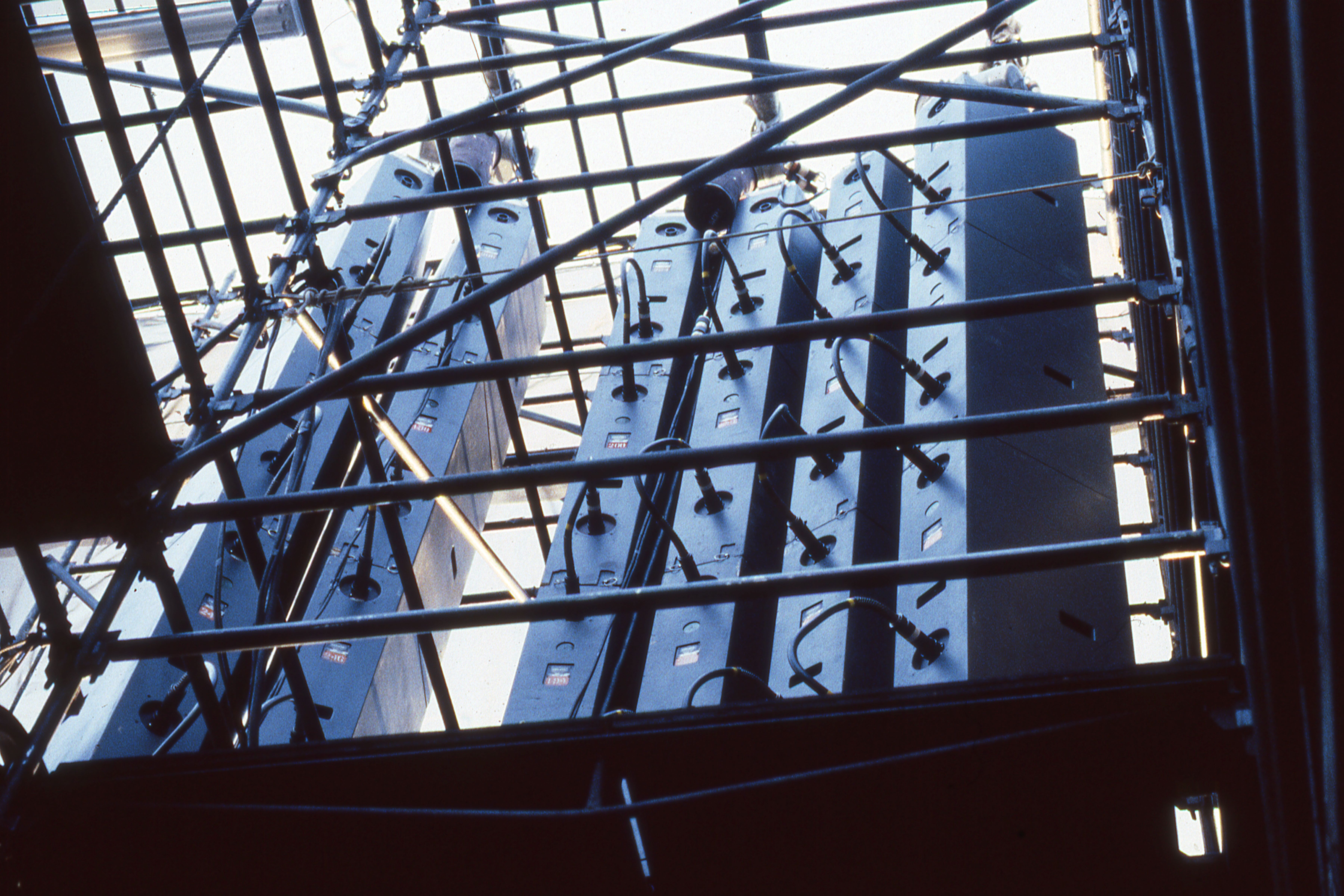
Brutsche and his team pioneered modular, interchangeable speaker cabinets with standardized connectors, designed road cases sized to fit truck dimensions, and insisted on flush cabinet exteriors to protect surrounding equipment. The approach caught on fast. Three Dog Night heard Showco's system in Dallas and insisted on taking it on tour, and Led Zeppelin followed almost immediately. Within a few years, the company grew from zero to eight touring systems and later systematized everything from training to truck packing.
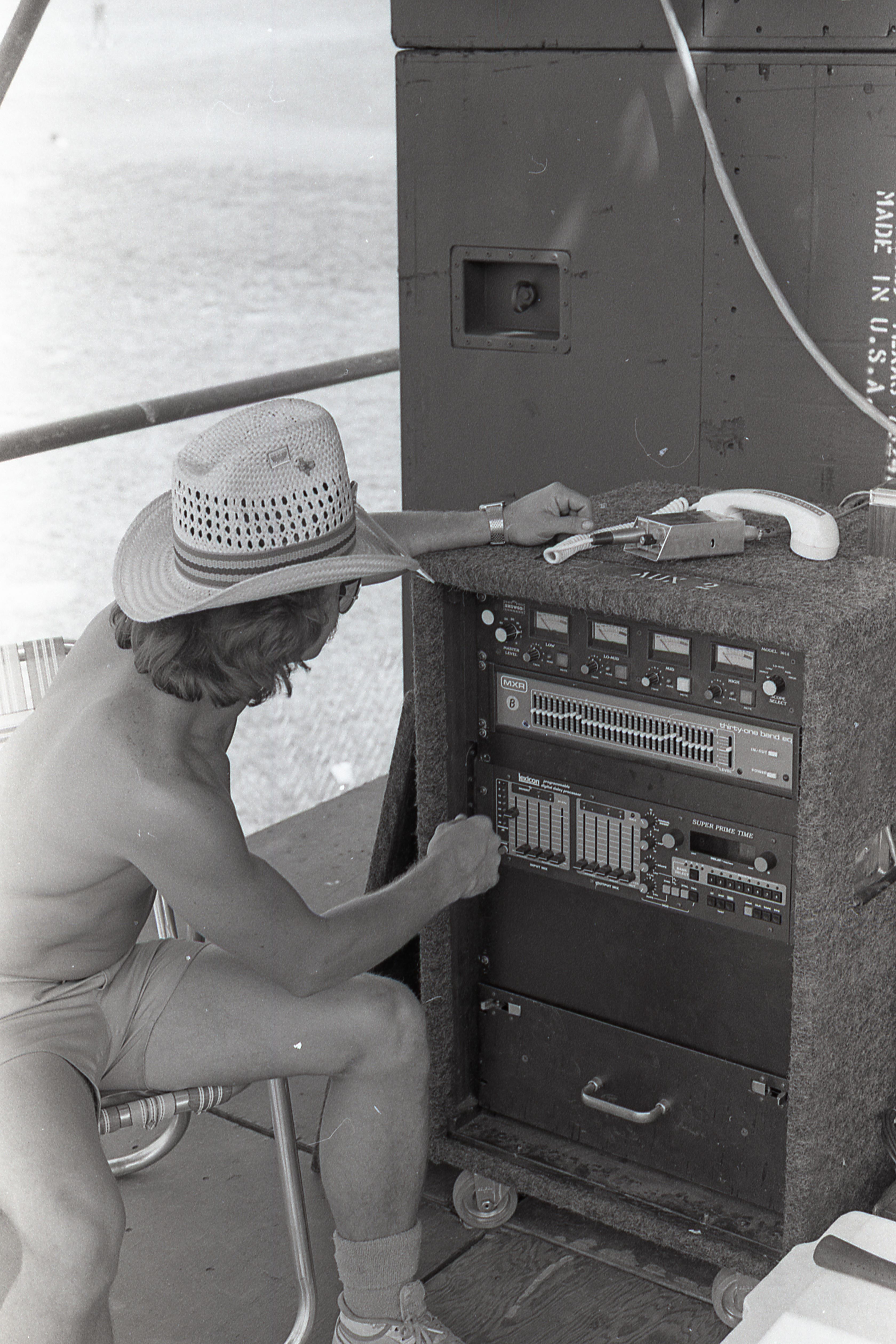
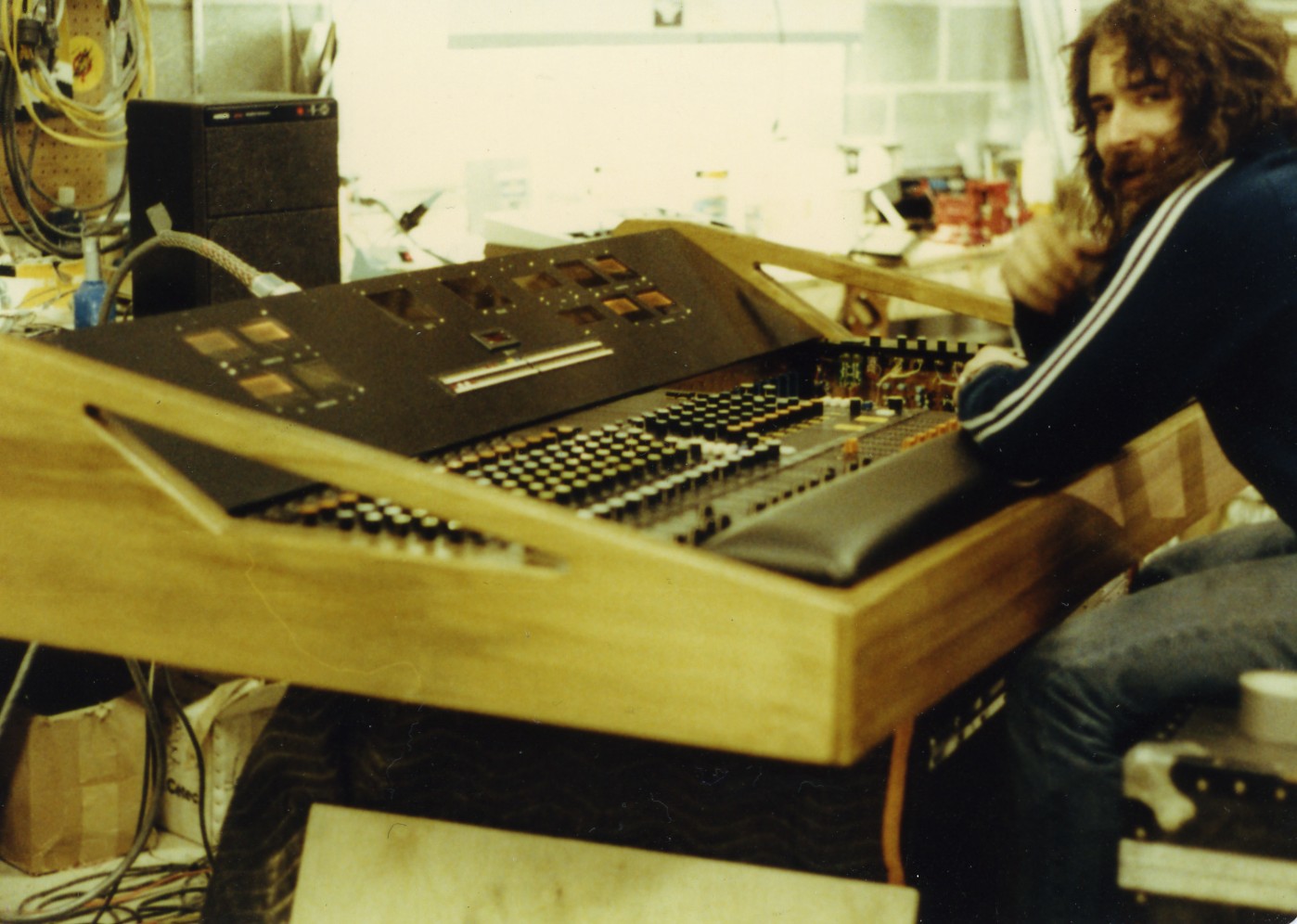
Key innovations included the Superboard, one of the first live mixing consoles with parametric equalization, and the Vari-Lite, the first commercially successful automated moving light. Engineer Jim Bornhorst played a leading role in both. By the mid-1970s, Showco employed around 150 people and served the biggest names in rock, including Led Zeppelin, the Rolling Stones, the Bee Gees, Paul McCartney, Genesis and David Bowie, with full-service sound, lighting, lasers, video and special effects.
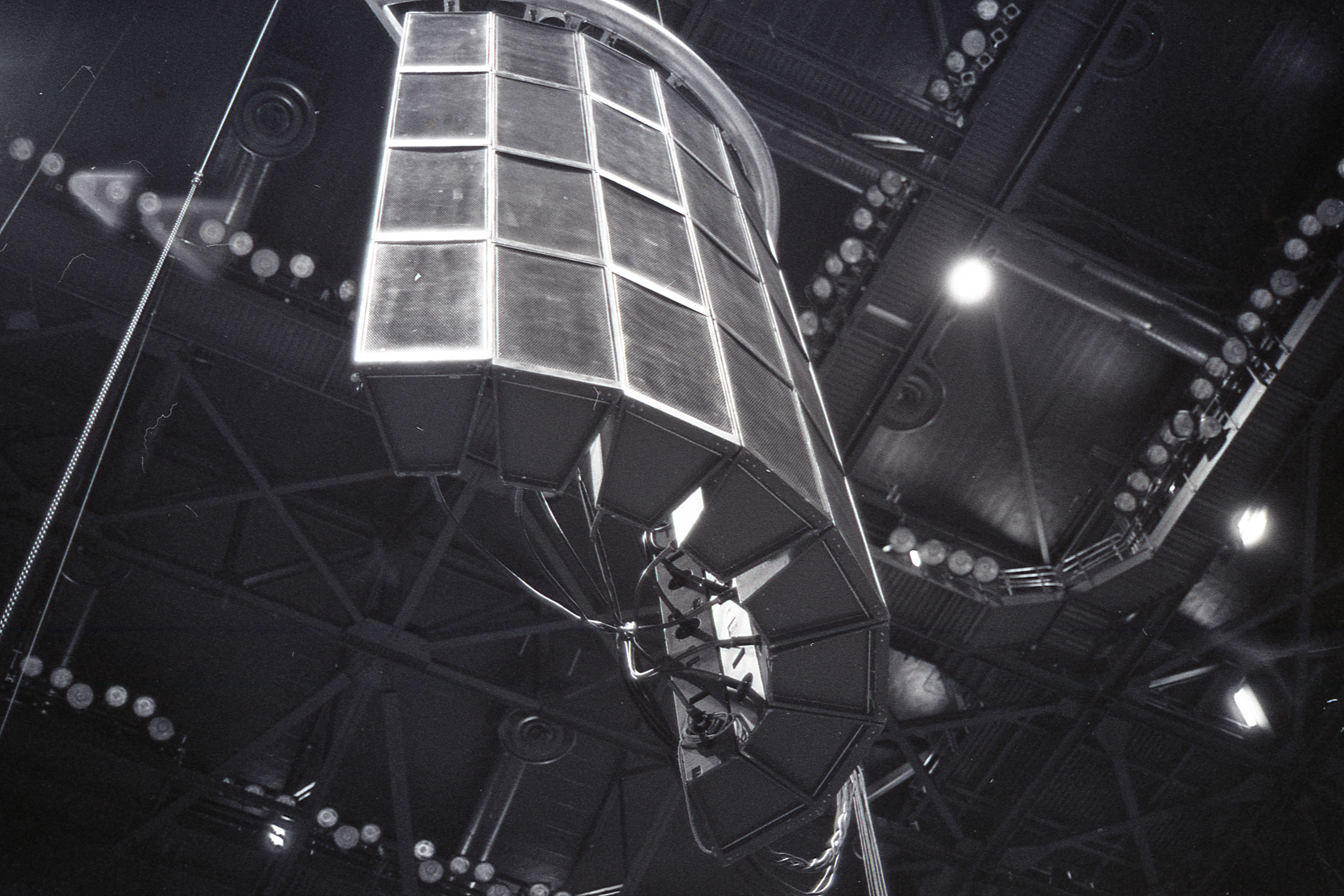
For decades, Showco and Clair Brothers were fierce rivals, and the competition drove both companies to innovate. In 1986, Showco answered Clair's dominant S-4 system with the PRISM, a purpose-built speaker array whose design was closely guarded. Later, its investment in the Harrison-built Showconsole, a digitally controlled analog board, kept Showco competitive through the 1990s, even as its corporate structure changed and the sound division became a subsidiary of the larger Vari-Lite business.
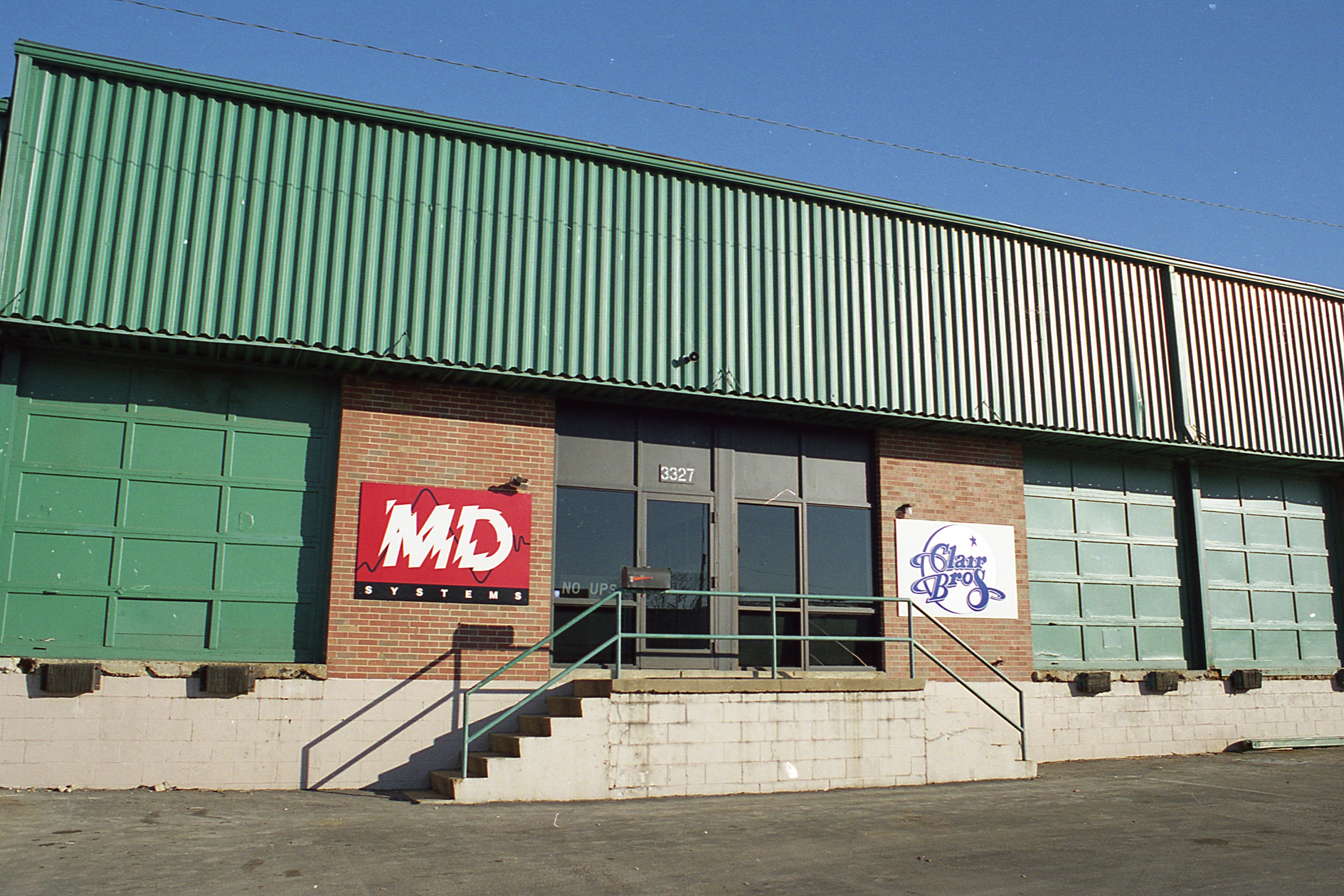
By the late 1990s, as resources increasingly flowed toward lighting, Showco's sound division faced mounting pressure. Clair was approached about acquiring it, with the expectation that the Lititz, Pennsylvania, company would keep it growing and treat Showco's people right. Nearly all of Showco's major artists made the move. For two companies that had competed for decades, often bidding on the same tours, it was a major consolidation. Clair inherited more than equipment and client lists. It gained a dedicated, skilled and experienced group of employees.
Clair adopted Showco's rigorous training method, which balanced technical expertise with interpersonal skills, as the foundation for its RIT (Road Staff in Training) program, which continues today. The rivalry that had pushed both companies for decades ultimately made the combined company stronger, building Showco's operational DNA, computerized inventory systems and people-first training philosophy into what is now Clair Global.